
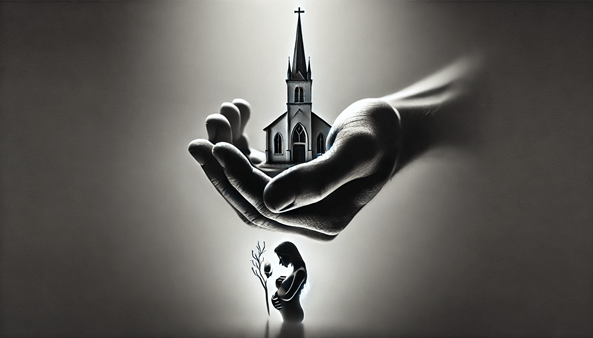
The Bible consistently affirms the sacredness of life, from conception to death. It teaches that life is a divine gift, precious in the eyes of God, and that humans are created in His image. However, in the complexity of free will, sin, and redemption, many find themselves faced with difficult choices. Among the most heartbreaking of these choices is abortion—a decision that reflects the tension between the value of life, human frailty, and the pervasive reality of sin.
This article explores the biblical view of life, the grave seriousness of abortion, the redemptive grace offered through Christ’s sacrifice, and the failure of the Church to fully embrace its responsibility in guiding women toward life-affirming choices. It is a call to recognize the weight of the sin of abortion while magnifying the mercy and grace of God, which allows even the darkest of decisions to be transformed for good.
The Biblical Value of Life: A Divine Gift
From the earliest chapters of Genesis, the Bible makes clear that human life is sacred. Genesis 1:27 teaches us that “God created man in His own image, in the image of God He created him; male and female He created them.” This truth forms the foundation of the biblical view on the sanctity of life. Every person, from the moment of conception, bears the imprint of the Creator and is of infinite worth.
The Bible is clear about the seriousness of shedding innocent blood. Proverbs 6:16-17 lists “hands that shed innocent blood” among the things the Lord hates. Abortion, by its very nature, is an act of ending an innocent life, which makes it one of the gravest of sins.
David’s psalm beautifully captures God’s intimate involvement in the creation of life: “For you formed my inward parts; you knitted me together in my mother’s womb. I praise you, for I am fearfully and wonderfully made. Wonderful are your works; my soul knows it very well” (Psalm 139:13-14). God’s sovereignty and care over life in the womb leave no room for doubt about the sanctity of even the unborn. Life, in all its stages, is sacred to God.
Yet, this truth stands in stark contrast to the reality of abortion, where millions of unborn lives have been terminated, often in moments of desperation, confusion, or societal pressure. The decision to end a life, especially one so vulnerable, is not just a personal tragedy but a grave sin against the Creator Himself. And yet, in the face of this grim reality, the Church has often failed to offer real, viable alternatives that might have saved those lives.
The Tragedy of Abortion: A Sin with Deep Consequences
Abortion is not just a medical procedure or a social issue—it is a moral and spiritual crisis that strikes at the heart of God’s design for life. The decision to terminate a pregnancy is a choice with profound consequences, both for the unborn child and for the mother. It is a decision that reflects the brokenness of humanity, the failure to choose life, and the consequences of living in a fallen world.
The Bible is clear about the seriousness of shedding innocent blood. Proverbs 6:16-17 lists “hands that shed innocent blood” among the things the Lord hates. In Exodus 20:13, the commandment “You shall not murder” explicitly forbids the taking of innocent life. Abortion, by its very nature, is an act of ending an innocent life, which makes it one of the gravest of sins.
However, the severity of abortion is not just in the act itself but in the broader societal failure to value life as God does. For decades, since Roe v. Wade legalized abortion, millions of unborn children have perished, not because women desired to kill, but often because they saw no other way. It is here that the Church has a crucial responsibility—a responsibility that has often been neglected.
The Church’s Failure: A Missed Opportunity to Save Lives
When Roe v. Wade was decided, the legal landscape shifted, giving women the right to choose. But with that choice came an opportunity—an opportunity for the Church to step in and provide real, tangible support for women facing unwanted or unplanned pregnancies. Sadly, in many cases, the Church “dropped the ball.”
Rather than becoming a haven for women struggling with the decision of whether to keep their child, many churches either remained silent or focused solely on condemning the act of abortion. This approach, while rooted in the desire to uphold biblical morality, often failed to offer compassion, resources, or practical help. Instead of embracing the chance to walk alongside these women, offering love and support, many in the Church stood at a distance, condemning the sin while offering little in the way of mercy.
James 2:15-16 challenges us on this front: “If a brother or sister is poorly clothed and lacking in daily food, and one of you says to them, ‘Go in peace, be warmed and filled,’ without giving them the things needed for the body, what good is that?” Similarly, when the Church tells a woman to choose life but fails to provide the necessary support—whether emotional, financial, or practical—how can we say we have done our part? We have spoken the truth but failed to follow through with grace.
The responsibility for saving the unborn should have shifted from the state to the Church. It was the Church’s moment to offer women viable alternatives: adoption programs, financial support, emotional counseling, and a community of believers committed to walking with them through their pregnancy. But in many cases, the Church failed to offer this lifeline, leaving women feeling alone and unsupported in their decision-making process.
The Sacrifice of Jesus: The Cost of Redemption
In stark contrast to this failure is the ultimate example of sacrificial love: Jesus Christ. The gravity of our sin, including the sin of abortion, was so severe that it required nothing less than the sacrificial death of the Son of God. Jesus willingly laid down His life so that we might be forgiven, redeemed, and transformed. The cross is the ultimate expression of God’s love, grace, and mercy toward us.
Romans 5:8 declares, “But God shows his love for us in that while we were still sinners, Christ died for us.” Even in the midst of our worst decisions, our most grievous sins, God provided a way for us to be reconciled to Him. The severity of the cross reflects the severity of sin—sin that includes the taking of innocent life. But the cross also reflects the immeasurable grace of God, who desires that none should perish but that all should come to repentance (2 Peter 3:9).
For those who have been involved in or affected by abortion, the message of the cross is one of hope. Through Jesus’ sacrifice, there is forgiveness for even the most grievous of sins. But this forgiveness is not cheap. It came at a great cost—the life of the Son of God. And it calls us not just to receive grace but to be transformed by it, to turn away from sin, and to pursue life in all its fullness.
The Power of Grace: Redemption and Transformation
God’s grace is truly amazing. He can take even the darkest moments of our lives, the worst decisions we have made, and transform them into something beautiful. Romans 8:28 assures us, “And we know that for those who love God all things work together for good, for those who are called according to his purpose.” This includes even the consequences of our sin.
For those who have chosen abortion, God’s grace is available. Through repentance and faith, He offers forgiveness, healing, and restoration. But His grace does not stop there. God can take the pain and regret of a past decision and use it to bring about growth, transformation, and even ministry. Many women who have experienced abortion and later found healing in Christ have gone on to become advocates for life, using their stories to help others choose life.
But this transformation is not just for those who have chosen abortion. It is for all of us. We all have areas in our lives where we have made poor decisions, where we have failed to choose life. And yet, through the grace of God, we are offered the chance to repent, to be forgiven, and to be made new.
A Call to the Church: Embrace Grace and Offer Life
The Church must now fully embrace its responsibility. We are called to speak the truth about the sanctity of life, yes, but we are also called to offer grace, mercy, and practical support to those facing difficult decisions. Jesus did not come to condemn the world but to save it (John 3:17). Likewise, we must not merely condemn the sin of abortion but offer real, tangible ways for women to choose life.
This means stepping into the messiness of people’s lives, offering support for pregnant women, advocating for adoption, and providing the emotional, spiritual, and financial resources needed to help women keep their children. It means reflecting the sacrificial love of Christ in our actions, not just our words.
The value of life is central to the Gospel, and the Church must lead the way in showing the world what it means to truly choose life. It is not enough to condemn abortion; we must be the hands and feet of Christ, offering grace, love, and support to those in need. By doing so, we can fulfill our calling to be a light in a dark world, pointing people to the One who came to give life and give it abundantly (John 10:10).
 The Herald of Truth